How we got here
Atlanta is a city of narrow driveways, walk-up apartments, and traffic that changes the whole plan for the day. We built our crews around handling that reality instead of pretending every move looks the same.
Every job starts with a walk-through, either in person or over a video call, so we know the stairs, the elevator situation, and whether the couch is actually going to make the turn in the hallway.
Jamal and the crew
Jamal runs the crew day to day. He has spent years moving families and small offices across the city, from Midtown high-rises to bungalows near Decatur square, and he is the one who walks new movers through their first weeks on the job.
The people on the truck are trained the same way whether they are carrying a dresser out of an East Atlanta bungalow or rolling office chairs out of a building in Buckhead. Wrap it, pad it, and set it down where it belongs.
What we actually do
We handle local moves inside the city, long-distance trips out of Georgia, packing help by the room or the whole house, and labor-only jobs for anyone who already has a truck. Nothing is a side business here.
Working the way a neighbor would
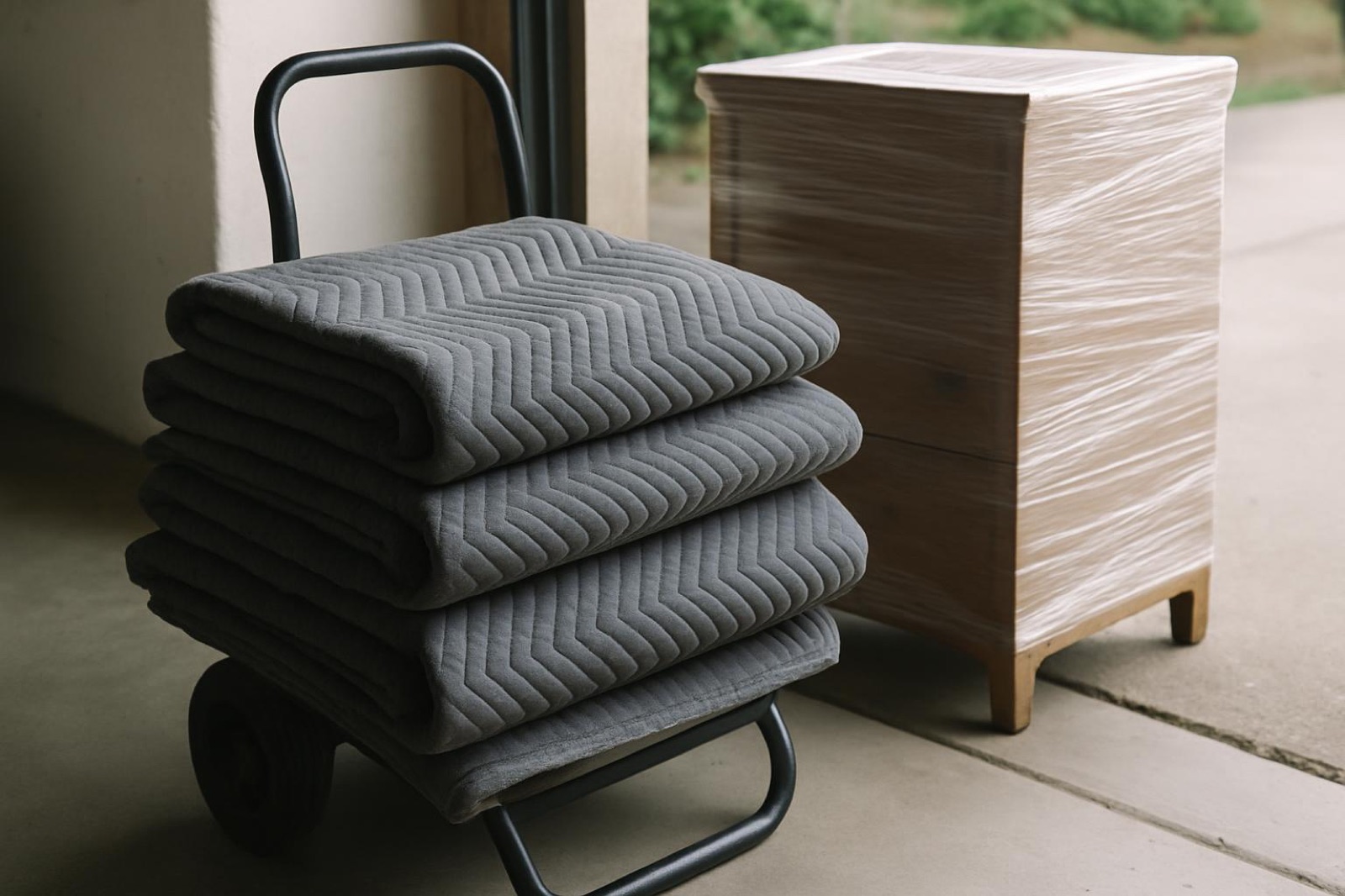
We wrap furniture in moving blankets, pad the door frames, and lay runners on the floors, then set things back up the way we found them. That is the standard whether the job is a single bedroom or a full house.
If something does not fit through a doorway on the first try, the crew says so and works out another way rather than forcing it and hoping for the best.
How we handle the summer months
Georgia summers are humid and can turn stormy by early afternoon, and Jamal builds that into the daily schedule during the busiest months. Crews start earlier, breaks are set rather than skipped, and the truck stays closed between trips to keep the heat down inside.
That is as much about protecting your belongings as it is about looking after the people carrying them. A tired crew makes small mistakes, and small mistakes on a moving day tend to cost someone a broken dish or a scraped wall.
Training new crew members
New movers spend their first days learning to pad and wrap furniture properly, build a tight load in the truck, and handle a dolly on a ramp or a set of stairs. Nobody goes to a customer's home on their own until Jamal has watched them work through a full job.
That training matters more in a city like Atlanta than it might elsewhere, since a single job can involve a driveway, a set of stairs, a freight elevator, and a narrow city street all in the same afternoon. A crew that has only practiced one kind of carry struggles the moment the job looks different from what they trained on.
What sets a local crew apart
A crew that works this city every week knows which buildings need a certificate of insurance without being told twice, which streets get impossible after three in the afternoon, and which neighborhoods flood a little in a heavy storm. None of that comes from a manual. It comes from doing the job here, over and over, until the patterns become obvious.
That local knowledge is the difference between a schedule that survives a rough Tuesday and one that falls apart the moment traffic or weather does something unexpected.