What counts as a local move
Anything inside or just outside the Perimeter, from a condo in Midtown to a house in East Atlanta, is priced as a local move by the hour. The crew size and truck are matched to what is actually in the home, not a guess based on the number of bedrooms.
If you are not sure how much truck you need, send us a short video of each room and we will size the crew from that instead of guessing high and charging you for space you never use.
A typical move day in the city
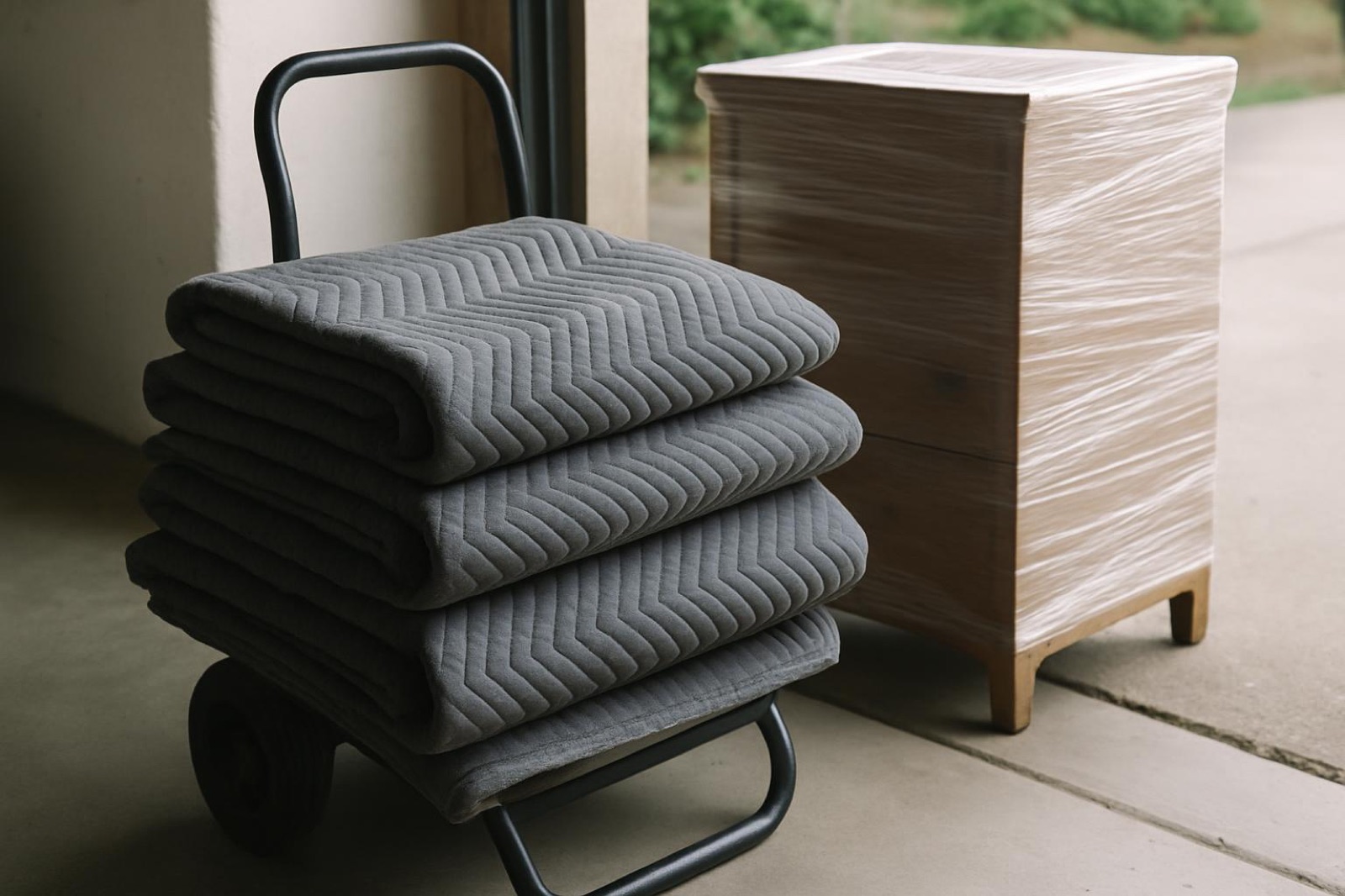
The crew arrives in the window we agreed on, walks the home with you, and pads the door frames and stair rails before anything moves. Furniture is wrapped in blankets and stretch film and loaded in a planned order so the truck rides steady.
Once we reach the new place, boxes and furniture land in whichever room you have decided each one belongs to. Beds get put back together, and we ask you to walk the truck with us before we leave so nothing is left behind.
Most single-family moves inside the city limits finish in a single day, start to finish.
Traffic and timing
The Connector backs up by mid-morning most weekdays, and a move that starts at nine can lose an hour just crossing town. We build the schedule around the quieter windows where we can, especially for a move that has to cross from one side of the city to the other.
Weekday moves booked before rush hour tend to run faster and cost less than a Saturday afternoon slot in peak season.
In-town apartments and older homes
Midtown and Buckhead towers usually need a freight elevator booking and a certificate of insurance for the building. Older bungalows in Grant Park and East Atlanta bring narrow stairs and original hardwood that needs runners down before anything gets carried.
We ask about the building or the house style during the estimate so the quote reflects the real work, not a flat number.